Best Things to Sketch
Sketch the quiet moments: a cat napping, a juice box with the straw still in it, or headphones tangled on your desk, using a 0.45mm Pigma Micron pen for crisp, clean lines in your 3.5 x 5.5-inch Moleskine. Add whimsy-tiny flowers creeping from shoes, or cosmic balloons holding stars. Use a 0.3mm for patterns like rice grains, layer with watercolor washes, and embrace imperfections. Nostalgic Gameboys, cassette tapes with groove details, and sleeping faces all build skill and meaning, and there’s more where that came from.
We are supported by our audience. When you purchase through links on our site, we may earn an affiliate commission, at no extra cost for you. Learn more. Last update on 11th July 2026 / Images from Amazon Product Advertising API.
Notable Insights
- Sketch everyday still-life subjects like sleeping pets or half-empty juice boxes for simple, meaningful practice.
- Draw nostalgic objects such as retro Gameboys or cassette tapes to build confidence through personal connection.
- Create imaginative scenes like dragons or cosmic balloons to spark creativity and visual storytelling.
- Use repeatable patterns like tiny circles or ginkgo leaves to develop rhythm and precision in line work.
- Practice faces and emotions daily with fine pens to improve proportion, expression, and comfort with imperfections.
Draw the Simple Things Around You
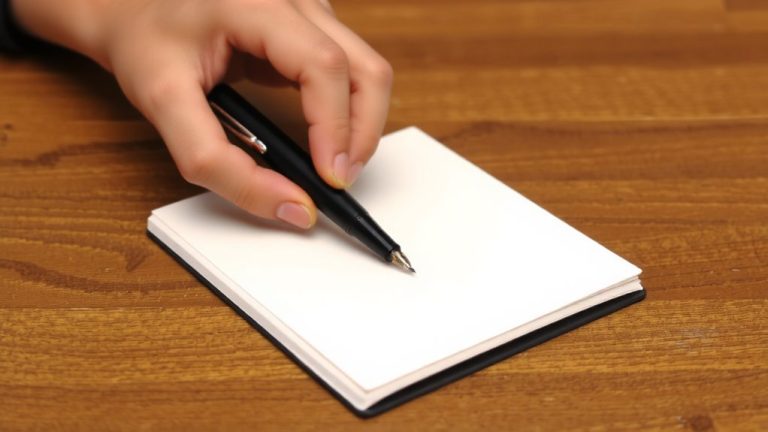
While you might overlook the ordinary, sketching the simple things around you can sharpen your observational skills and deepen your connection to everyday objects, like that half-empty juice box on the table or the headphones coiled by your laptop. You don’t need fancy tools-just grab a Pigma Micron pen (0.45mm works great) and start drawing. Choose things to draw that stay still, like sleeping pets or family members watching TV, so you can focus on soft fur textures or natural poses. Use a pen instead of a pencil-no erasing means you embrace imperfections, building a more authentic style. Draw shoes, then add quick details like vines or flowers creeping out the toe. It builds creativity and precision. Stick to small subjects; they fit easily in a Moleskine sketchbook (3.5 x 5.5 inches), making drawing a low-pressure habit. With consistent practice, you’ll see real growth in your observational accuracy and confidence.
Try Fun and Imaginative Doodles
You’ve already built a solid foundation by sketching the quiet moments and still objects around you, capturing the details of everyday life with a Pigma Micron 0.45mm pen in your compact Moleskine (3.5 x 5.5 inches), and now it’s time to let your imagination stretch. If you love drawing fantasy, try dragons-you can experiment with scale patterns and dynamic poses using the pen’s precision tip. Need drawing ideas? Sketch a whale floating with balloons, blending realism and whimsy on a single page. You’ve always wanted to draw something magical? Go for fairies near mushrooms or a boy swallowing galaxies, like in “A Boy and the Universe.” Even a simple balloon can hold the moon and stars, turning it into a cosmic scene. Let your doodles tell stories, using every inch of your journal for creative, narrative-rich art.
Fill Sketches With Repeatable Patterns
When you need to fill a blank space quickly and with purpose, turn to repeatable patterns-small, intentional marks that build texture and rhythm across your sketchbook pages, like rows of tiny 2mm circles drawn with a Sakura Pigma Micron 0.3mm or scattered X shapes painted in watercolor washes using a 2-brush. These Cute Easy designs, from rice grains to ginkgo leaves, take just five minutes and work great in a pencil sketch or inked journal. Use consistent elements to maintain flow, or combine two patterns-say, brush marks over tiny squares-for quick, unique fills. You don’t need a long time; even five-minute sessions build skill with each repeat. Testers using Micron pens noted cleaner lines, while watercolor washes added soft depth. Over time, repeating shapes with slight tweaks boosts originality more than switching ideas constantly. It’s practical, meditative, and perfect for any page needing balance, texture, or a creative pause.
Draw Faces and Emotions With Confidence
Because facial expressions convey so much with just a shift in shape or shadow, sketching them regularly-like during quiet moments watching TV with family-builds real confidence in capturing both proportion and emotion, especially when using precise tools like the 0.3mm Pigma Micron pen, which holds a sharp line without feathering, even on smooth paper. You’ll draw faces and emotions with confidence by focusing on still subjects, like sleeping pets or relaxed loved ones, giving you time to study contours and shading. Using a pen instead of pencil helps you embrace small flaws, making your drawing as well as your style more authentic. Daily practice sharpens your eye for detail, from the curve of a brow to the depth of a smile.
| Feature | Benefit | Tester Note |
|---|---|---|
| 0.3mm nib | Precise lines | “No blobbing, even on slick paper” |
| Archival ink | Fade-resistant | “Perfect for long-term sketch journals” |
| Waterproof | Layer-safe | “I can add watercolor after” |
Let me know how your sketches evolve with consistent practice.
Use Nostalgia to Inspire Easy Art
While memories often fade with time, sketching nostalgic objects like Gameboys or cassette tapes keeps them vivid and tangible, turning sentiment into simple, satisfying art. You’ll find these retro-themed drawings easy to tackle-Gameboys use basic rectangles, 3.5-inch-wide screens, and symmetrical button layouts, while cassette tapes offer clean lines, grooves, and label details perfect for shading practice. I’m so happy how often readers request these in my blog post series, especially after a recent suggestion spotlighted vintage gaming. It’s great to know others are happy to hear we’re exploring themes that spark joy and creativity. Use a 0.5mm mechanical pencil for precision, then go over with a Micron 01 pen for crisp lines. These subjects aren’t just fun-they build confidence through familiar shapes and personal meaning, making them ideal for consistent, meaningful sketching practice.
On a final note
Keep a sketch journal with a Moleskine 5” x 8.25” notebook, its 100gsm paper handling pencil, ink, or light watercolor, and pair it with a Pilot Precise V5 (0.5mm) for clean lines or a Tombow brush pen for expressive strokes, testers praising their balance and ink flow, while refillable pens cut waste, and small rulers or templates help align patterns, faces, or grids, making practice consistent, portable, and precise-simple tools, real progress.